Databases
Pagination: Why Offset Fails and Cursor Saves You
Why offset-based pagination produces duplicates and skips at scale, and how cursor pagination fixes both the correctness and performance problems.
Why offset-based pagination produces duplicates and skips at scale, and how cursor pagination fixes both the correctness and performance problems.
Why schema migrations that work in development cause production incidents, and the expand-contract pattern that makes them safe to run on live systems.
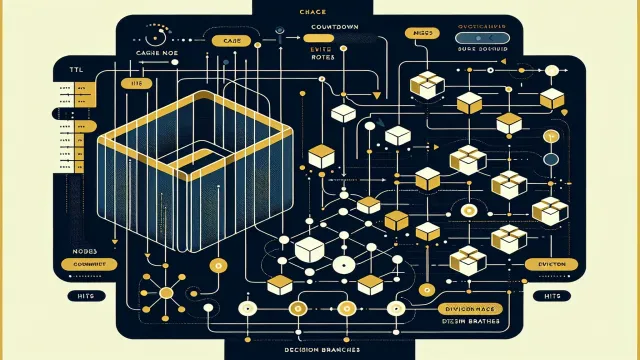
Redis is the standard caching layer in most production stacks. Using it well requires understanding TTL, eviction policies, and cache invalidation - the parts that determine whether your cache helps or hurts.
Window functions and CTEs solve a class of data problems that would otherwise require subqueries, temporary tables, or application-layer processing. Once you know them, you will reach for them constantly.
Why N+1 queries are so common in ORM-based code, how to detect them, and the three patterns that eliminate them without rewriting your data layer.
What ACID guarantees actually mean, what isolation levels exist and what anomalies each one allows, and how to choose the right level for your use case.
An index is a tradeoff - faster reads at the cost of slower writes and more storage. Knowing how B-trees work and how the planner uses them tells you when that tradeoff is worth making.
What actually happens between your SQL query and the rows that come back - storage pages, the query planner, and why understanding this makes you a better developer.